

Views: 0 Author: Site Editor Publish Time: 2026-11-24 Origin: Site


Modern industrial piping relies heavily on absolute precision and structural integrity. In high-stakes environments, a single flawed cut can lead to weak joints, hazardous leaks, and costly project delays. Outdated manual methods simply cannot keep up with current engineering demands. To mitigate these risks, facilities are increasingly adopting an advanced pipe cutting machine to achieve clean, even, and accurate cuts across various applications. This comprehensive guide takes a closer look at how these devices function, the different technologies available on the market today, and their material-specific applications. Whether you are outfitting a large-scale fabrication shop or managing remote pipeline construction, understanding how to choose the right equipment is critical.
Diverse Technologies: Modern equipment utilizes various mechanisms—such as cold cutting, split-frame clamshells, and double chain systems—to deliver perfect joints efficiently.
Material Specificity: Different materials require highly specific machinery. Specialized cutters are needed for stainless alloys, while plastic tubing relies on distinct, friction-free processing methods.
Broad Applications: From volatile oil and gas pipelines to commercial plumbing and large-scale manufacturing, automated processing ensures high efficiency, consistency, and enhanced worker safety.
Smart Investment: Choosing the right solution depends on a careful evaluation of outside diameter, wall thickness, material composition, and environmental constraints.
At its core, this specialized industrial device is engineered to sever cylindrical structures with high precision. While specific designs vary based on application, the fundamental mechanics generally involve a secure clamping mechanism that holds the material firmly in place. Once secured, a cutting tool engages the surface. The system utilizes a controlled feed mechanism to advance the tool. This is achieved either by rotating the cutting module around a stationary pipe or by spinning the pipe itself against a fixed blade. Specifically, this automated, controlled movement ensures uniform pressure throughout the entire circumference. The result is a perfectly square edge that is nearly impossible to replicate by hand.
Historically, pipe fitters relied heavily on abrasive saws and handheld angle grinders. Imagine a technician trying to manually guide a grinder around a 24-inch steel main in a muddy trench. The process is inherently time-consuming and physically demanding. Manual cuts typically leave heavy burrs and jagged edges that require extensive secondary grinding before any welding can take place.
The transition to automated equipment has revolutionized the fabrication industry. Modern machinery guarantees a clean and even finish every single time. By automating the most labor-intensive parts of the process, these devices significantly reduce operator fatigue and eliminate the human error commonly associated with manual material handling.
Cold cutting refers to a mechanical separation process that severs metal without generating significant heat. This technology is crucial because it prevents the formation of a Heat Affected Zone. When metal is exposed to the extreme temperatures of thermal torches, its metallurgical properties alter. This leads to material warping, localized hardening, or structural weakness. Mechanical blades slice through the metal, ensuring the structural integrity of the alloy remains completely intact.
Split-frame units, often referred to as clamshells, are highly portable devices that literally split in half to mount directly around the outside diameter of an inline, continuous pipe. They are indispensable for maintenance, repair, and modification work in restricted spaces where the infrastructure cannot be dismantled.
Furthermore, orbital technology operates on a similar rotational principle but is typically used for high-precision workshop applications. It rotates a circular saw blade around the perimeter of the tubing. This method is renowned for producing high-precision, burr-free finishes, making it the standard choice for high-purity systems found in pharmaceutical and semiconductor facilities.
Machine Type | Best For | Key Advantage | Typical Application |
|---|---|---|---|
Cold Cutting | Stainless steel, carbon steel | No Heat Affected Zone | Refineries, food-grade piping |
Split-Frame Clamshell | Inline continuous pipes | High portability, mounts anywhere | Field repairs, offshore rigs |
Orbital Systems | Thin-walled high-purity tubes | Burr-free, square edges | Pharmaceutical, semiconductor |
Double Chain | Large diameter infrastructure | Maximum stability on uneven terrain | Municipal water lines, pipelines |
Stainless steel is notoriously unforgiving. Its high tensile strength and tendency to work-harden mean that standard abrasive blades will quickly glaze over or burn the metal. Using improper equipment can introduce carbon contamination, which inevitably leads to rust and corrosion at the welded joint.
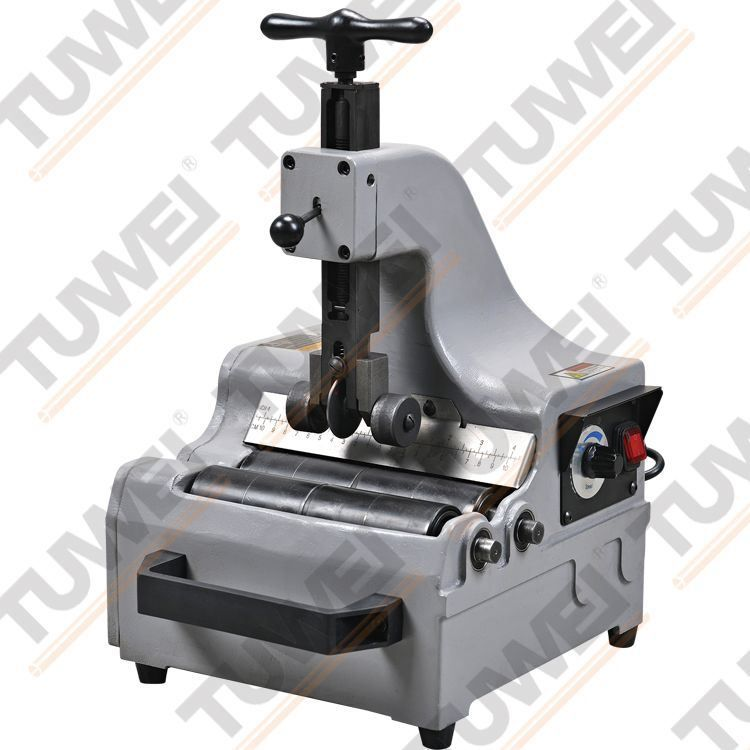
To prevent these costly issues, operators must use machinery specifically engineered for these tough alloys. For instance, utilizing a dedicated stainless steel pipe cutting machine designed for thin-walled tubes ensures optimal performance. Equipment like the 3-8-2 model is engineered to handle outside diameters ranging from 15mm to 220mm with wall thicknesses up to 8mm. This highly targeted approach delivers a clean, precise separation without compromising the material's chemical integrity or structural strength.
In contrast, plastic piping requires an entirely different mechanical approach. The primary objective here is to avoid friction-induced melting. If a blade spins too fast or generates excessive friction, the plastic will melt, deform, and fuse back together behind the blade. Machinery designed for plastics operates at optimized speeds with specialized tooth geometries to slice through the polymer cleanly.
Severing heavy-wall carbon steel requires robust machinery equipped with high-torque motors. The tooling must be highly durable to withstand the immense mechanical stress of removing large chips of dense metal. Heavy-duty units are built with rigid, reinforced frames to absorb operational vibrations. This ensures the path remains perfectly straight and true even through the thickest walls.
Recent industry analyses indicate a significant paradigm shift toward Industry 4.0 integration within metal fabrication. The global market for automated pipe processing is experiencing robust growth. This surge is primarily driven by a critical shortage of skilled welders and the urgent need for tighter tolerances in large-scale infrastructure projects. Market reports highlight that modern facilities are rapidly moving away from standalone manual tools. Instead, they are adopting interconnected systems that track material usage, optimize nesting, and monitor blade wear in real-time. The push for sustainability is also shaping equipment design, with newer models focusing on energy efficiency and reduced consumable waste. This technological evolution spans across several core sectors.
In the energy sector, operational safety is the highest priority. Portable cold cutting units are heavily utilized in hazardous environments where explosive gases or flammable liquids may be present. Because this method does not produce sparks or open flames, it is the safest and most viable option for maintenance, repairs, and tie-ins in these high-risk areas.
Contractors working on large-scale commercial plumbing and HVAC installations rely heavily on portable solutions. These lightweight, easily transportable devices allow technicians to perform rapid, on-site modifications. This efficiency accelerates the installation of extensive water systems, heating networks, and ventilation lines across large commercial construction sites.
In industrial manufacturing, profitability is directly driven by the efficiency of pre-fabrication. Stationary, heavy-duty machinery forms the backbone of modern fabrication shops. They enable high-volume, repeatable precision, ensuring that spools, structural components, and custom fittings are sized exactly to specification before they are ever shipped out to the construction site.
Upgrading to automated equipment drastically improves operational speed. A high-quality industrial pipe cutting machine creates a precise, square edge that requires little to no preparation. By eliminating the need for extensive grinding, deburring, and beveling before welding, fabrication times are significantly reduced. Teams can complete joints in a fraction of the time it takes using traditional methods.
Manual processing with abrasive saws exposes workers to flying sparks, harmful dust, and the severe risk of kickback injuries. Automated systems keep the operator at a safe distance from the active interface. By automating the heavy physical labor, these devices reduce operator fatigue and lower the risk of long-term repetitive strain injuries.
From a commercial perspective, investing in reliable equipment yields a strong return on investment. Automated precision means fewer human mistakes. A traditional routine of measuring twice, cutting once, and grinding for an hour is replaced by a seamless, single-step operation. Fewer mistakes translate directly to less wasted material and lower labor costs per unit.
The first and most critical step in selecting a solution is evaluating your most common material sizes. Equipment specifications clearly dictate their maximum and minimum capacity. For example, if your facility primarily processes sanitary stainless steel, you need a machine optimized for thin walls, typically handling thicknesses between 1mm and 8mm. Ensure the unit you choose aligns perfectly with your specific operational requirements to avoid overloading the motor or achieving subpar results on undersized tubing.
Consider where the primary work will take place. Lightweight, portable units are ideal for field work, inline repairs, and navigating tight spaces on active job sites. Conversely, if your operations are confined to a controlled shop environment focused on high-volume production, investing in a heavy, stationary system will provide superior stability, power, and longevity.
Industrial units are typically powered by pneumatic, hydraulic, or electric sources. Pneumatic and hydraulic models are often preferred in field environments or hazardous zones due to their spark-free operation and high torque. Electric models offer plug-and-play convenience in standard workshops. Whether you are sourcing a pneumatic clamshell for a refinery or an electric pipe cutting machine for a fabrication shop, always factor in long-term maintenance costs. Evaluate the availability of replacement parts, ease of servicing, and the expected lifespan of consumable blades to ensure a low total cost of ownership.
Understanding the different technologies available is the key to maximizing operational efficiency and improving overall workplace safety. The right equipment fundamentally transforms how raw materials are processed, turning laborious, dangerous tasks into quick, precise operations. This applies equally to delicate plastics that are prone to melting and heavy-duty stainless alloys that require immense mechanical torque.
We encourage you to evaluate your current fabrication processes today. If your team is still relying on outdated manual methods or struggling with material-specific challenges, it is time to explore advanced solutions. Upgrading your workflow will not only improve your safety record but also fiercely protect your bottom line in an increasingly competitive industrial landscape. For facilities looking to enhance their stainless steel processing capabilities, exploring specialized equipment from trusted manufacturers like Tuwei can provide the exact precision and reliability your projects demand.
It is a specialized device that severs metal using a mechanical blade rather than thermal energy. This friction-controlled process prevents the creation of a Heat Affected Zone, keeping the metal's original structural and metallurgical properties completely intact and preventing localized hardening or warping.
Generally, no. While some units are marketed as versatile, processing plastic requires specific slower speeds and distinct tooth geometries to prevent friction-induced melting. In contrast, stainless steel demands high-torque motors, coolant systems, and specialized hardened blades to power through the tough alloy without causing work-hardening or contamination.
A split-frame clamshell is a highly portable device designed to physically separate into two halves. This unique engineering allows it to be mounted directly around the outside of an existing, continuous line, making it the ideal solution for inline maintenance, tie-ins, and repairs in tight spaces where the ends are inaccessible.
The capacity depends entirely on the specific model and motor torque. Portable orbital cutters designed for sanitary stainless steel typically handle wall thicknesses up to 8mm or 10mm. Heavy-duty clamshells or stationary industrial units can easily slice through heavy-wall carbon steel exceeding 50mm in thickness, provided the correct feed rate and blade type are utilized.
Orbital cutting involves a circular blade rotating around the stationary pipe, producing a perfectly square, burr-free edge ideal for high-purity welding. Band saws use a continuous toothed blade to slice downward through the material. While band saws are excellent for rapid, bulk processing of various shapes, they often leave a rougher edge that requires secondary deburring before welding.
Regular maintenance is essential for longevity and accuracy. It includes cleaning metal shavings and debris from moving parts after every shift, properly lubricating chains, gears, and feed mechanisms, and ensuring the timely replacement of dull blades. This routine guarantees the device continues to deliver clean, square edges without overworking the motor.